
Vape Batteries and Chargers Explained
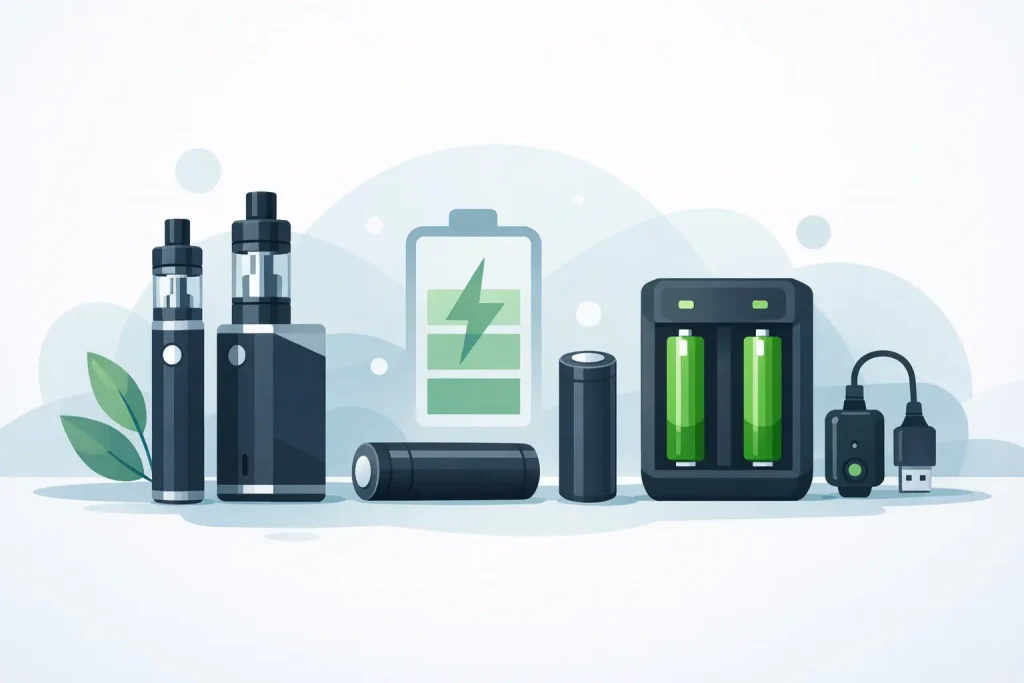
A vape that will not hold charge is not just annoying – it usually means wasted e-liquid, interrupted sessions and money spent replacing the wrong part. That is why understanding vape batteries and chargers matters whether you are picking up a simple backup, replacing a worn cell or buying extras to keep your setup ready every day.
For most adult vapers, the goal is straightforward. You want gear that works, charges safely, lasts properly and does not cost more than it should. The tricky part is that not every battery suits every device, and not every charger is worth trusting just because the plug fits.
What to know before buying vape batteries and chargers
The first thing to check is what kind of device you actually own. Some vape kits come with a built-in battery, which means you charge the device itself with a USB cable and do not remove anything. Others use external batteries, often sold separately, which need to match the power demands of the device and may also need a dedicated charger.
That distinction matters because buying the wrong product is one of the most common mistakes. If your kit uses an internal battery, there is no point ordering loose cells. If your mod takes external batteries, you need to know the exact size and quantity supported by the device before adding anything to your basket.
Most customers are not looking for a lesson in battery chemistry. They just want clear answers. Does it fit, does it charge properly, and will it keep up with the way they vape? Those are the questions worth focusing on.
Internal vs external batteries
An internal battery is the easy option for convenience. You charge it through the port on the device, there is less setup involved, and it suits plenty of casual users who want a simple grab-and-go kit. The trade-off is that once the battery performance drops off, the whole device may need replacing.
External batteries are more flexible. You can swap in a fresh charged battery instead of waiting around, and you can often keep a device going for longer by replacing just the cells when needed. For regular users, or anyone using a more powerful mod, this can be the better-value choice over time.
That said, external batteries ask a bit more from you. You need to buy the right type, store them properly and use a charger that is designed for the job. If you want the simplest setup possible, built-in may still be the better fit.
Common battery sizes
If your device uses removable batteries, size matters. You will often see formats such as 18650, 20700 or 21700. These numbers are not branding fluff – they refer to the battery dimensions. A device designed for one size will not necessarily work with another.
This is where shoppers can get caught out by bargains that are not bargains at all. A discounted battery is only useful if it is the correct one for your device. Always match the battery size and the device requirements first, then compare value.
Choosing the right charger
A charger should do more than simply power up a battery. It should charge at a sensible rate, support the battery type you use and offer consistent performance. Cheap chargers can look tempting, especially when you are adding extras to an order, but charging is not the place to cut every corner.
If you are using an external battery device, a dedicated charger is usually the more dependable option. It gives you a controlled way to charge removable cells and can make it easier to rotate batteries if you use more than one. Some devices offer onboard charging, but many experienced users still prefer a separate charger for convenience and peace of mind.
Useful features include clear charging indicators, independent charging bays and compatibility with the battery sizes you already own. Faster charging can be handy, but speed is not everything. In many cases, slower and steadier charging is kinder to battery life.
When a USB charger is enough
For pod kits and starter devices with built-in batteries, the included USB charging cable is usually all you need. Keep an eye on the recommended power input, though. Using random plugs or overly powerful adapters is not always the best idea, especially with lower-capacity devices.
The practical move is to use the cable supplied by the manufacturer where possible and replace damaged leads promptly. Frayed cables and loose connections are easy to ignore until they become a problem.
Battery safety is not optional
Most battery issues come down to misuse rather than the battery itself. Carrying loose cells in a pocket with coins or keys, using damaged wraps, overcharging or buying questionable products from unreliable sources all increase the risk of trouble.
If you use removable batteries, store them in a proper battery case. Do not toss them into a bag or drawer uncovered. Check the wraps regularly and replace damaged ones rather than hoping for the best. If a battery looks dented, torn or unusually hot during use or charging, stop using it.
Charging habits matter as well. Do not leave batteries charging unattended overnight just because it seems convenient. Put them on charge on a stable surface, away from direct heat, and unplug once charging is complete if your charger does not automatically manage this well.
None of this is about making vaping sound complicated. It is about avoiding avoidable mistakes. A decent battery and a proper charger are usually cheaper than replacing a damaged device.
How long should vape batteries last?
Battery life means two different things, and it helps not to mix them up. One is how long a charge lasts during the day. The other is how many months of use you get before the battery starts performing poorly.
Day-to-day runtime depends on your device, power setting and vaping habits. A low-power pod used casually will naturally last longer between charges than a higher-wattage mod used heavily. Bigger batteries generally offer more runtime, but they may also add bulk.
Long-term lifespan depends on charge cycles and care. All batteries wear down eventually. If your device suddenly needs charging much more often than it used to, or performance feels inconsistent, the battery may be reaching the end of its useful life. For built-in battery devices, that can mean replacing the kit. For external battery setups, it usually means replacing the cells.
Getting better value from your setup
If you are shopping on price, it makes sense to think beyond the upfront cost. A very cheap battery that needs replacing too soon is not great value. The same goes for a charger that performs badly and shortens battery life.
For regular vapers, buying a spare battery or an extra charger can save hassle and stop downtime. It is especially useful if you are using your device throughout the day or travelling. Having backup power ready means you are not stuck waiting for a full recharge when you need your vape most.
This is where a broad catalogue helps. Instead of picking up a battery from one shop, a charger somewhere else and accessories later, it is easier to sort the essentials in one order and keep the cost under control with multibuy deals, discounted accessories and featured offers. That practical, one-basket approach is exactly why many customers shop with Easy Vapes.
Signs you may need a replacement
Not every charging issue means the battery is finished. Sometimes the cable is faulty, the charging port is dirty or the charger itself is the problem. Still, there are some common signs that point towards replacement.
If the battery drains much faster than before, takes far longer to charge, gets hotter than usual or the device cuts out unexpectedly, it is worth checking your power source and charger first. If those are fine, the battery may no longer be performing as it should.
With external batteries, replace matched pairs together if your device uses two at the same time. Mixing old and new cells can lead to uneven performance and is rarely worth the risk just to save a few pounds.
Shop smarter, not just cheaper
There is nothing wrong with chasing a good deal. Most customers should. But with vape batteries and chargers, the smart buy is the one that fits your device, charges safely and gives you reliable use day after day.
If you are replacing a battery, check the exact size and compatibility before you order. If you are adding a charger, choose one that supports your battery type properly rather than the cheapest option on the page. And if you are unsure whether your device uses internal or external power, sort that first – it will save time, money and the hassle of returns.
A dependable vape setup usually comes down to the basics done right. Get the battery right, get the charger right, and everything else feels a lot easier.
4 comments
Comments are closed.