

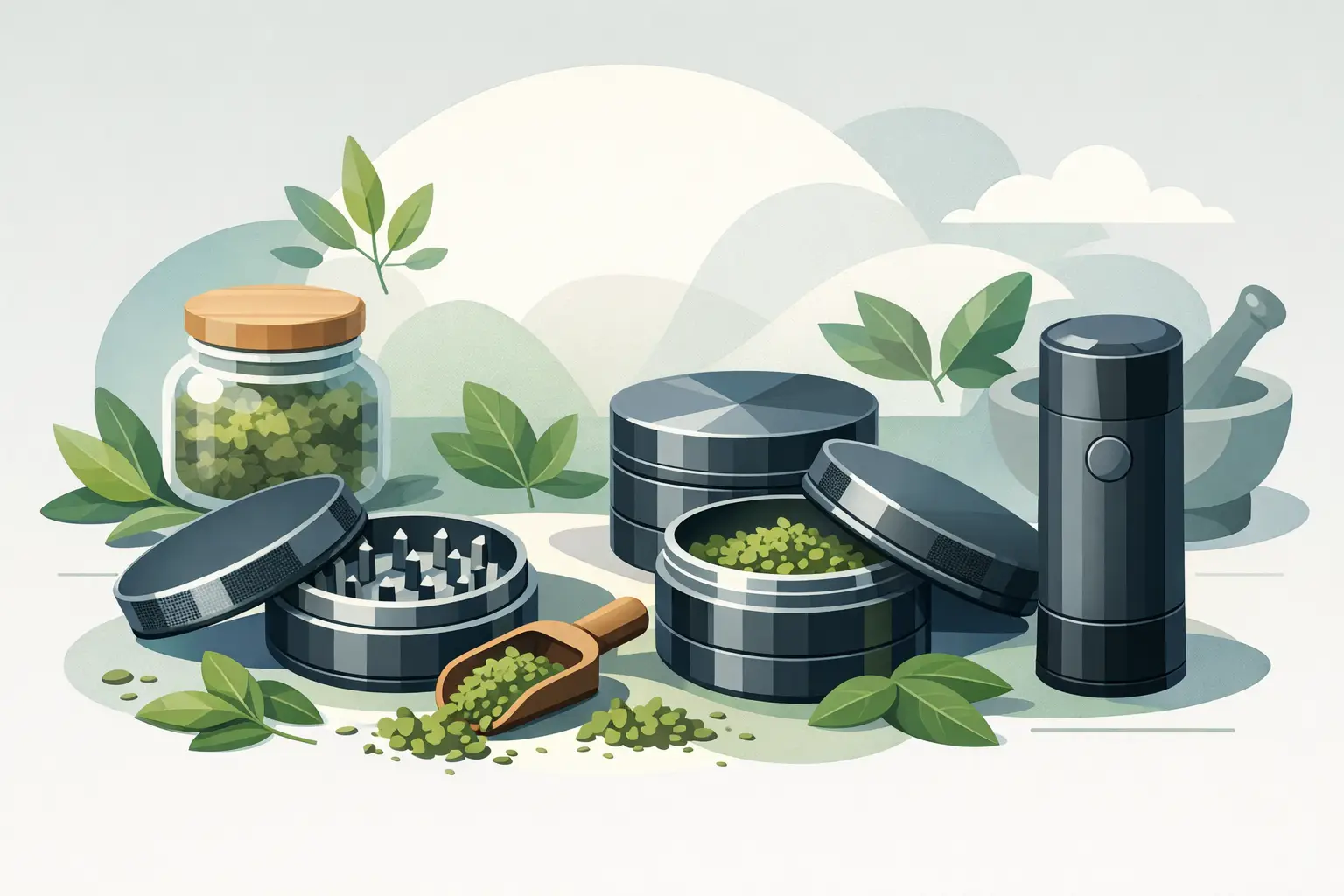
A cheap grinder that jams after a week is never a bargain. If you’re trying to find the best grinder for herbs, the right choice comes down to how you use it day to day – not just how it looks in the photos. Size, teeth shape, material and whether you want a kief catcher all make a real difference once it is in your hand.
For some buyers, a basic two-piece grinder does the job and keeps the price low. For others, it is worth paying more for a smoother turn, cleaner grind and stronger build that can handle regular use. If you are shopping online and want to get it right first time, here is what actually matters.
What makes the best grinder for herbs?
The best grinder for herbs is not always the most expensive one on the page. It is the one that matches your routine, gives a consistent result and does not become a chore to use after a few sessions.
Consistency matters more than people think. If your herb comes out too fine, airflow can suffer in some setups and you may end up with a harsher session than you wanted. If it comes out too chunky, it may burn or heat unevenly. A good grinder produces an even texture with less effort, which means better results whether you are rolling, packing or using a dry herb vaporiser.
Build quality is the other big factor. A grinder should feel solid, line up properly and turn without grinding against itself. Poorly made models often develop wobble, blunt teeth or sticky threading. That is when a low price stops looking like good value.
Choosing the right grinder size
Size is usually the first decision, and it affects more than portability. A small grinder is handy for travel, easy to store and often cheaper. It suits lighter use or anyone who only grinds a little at a time.
A medium grinder is the safe choice for most people. It gives you enough room to work without being bulky, and it tends to be the best all-round option if you want something practical for regular home use and occasional travel.
Large grinders make sense if you prep more herb in one go or simply want more space inside the chamber. They can be easier to grip and turn, especially if the material is a bit sticky. The trade-off is obvious – they take up more room and usually cost more.
If you are unsure, medium is normally the best place to start. It is the least risky option and suits the broadest range of buyers.
2-piece, 3-piece or 4-piece?
This is where buying habits matter. A two-piece grinder is straightforward. You load it, grind, and use the herb from the same chamber. It is simple, compact and often the cheapest route in.
A three-piece grinder adds separation, giving the ground herb its own compartment. That can make the process cleaner and a bit more convenient, especially if you like to grind in advance.
A four-piece grinder includes a mesh screen and lower chamber to collect finer particles, often referred to as kief. For regular users, this is usually the most versatile setup. It gives better storage inside the grinder and a more organised feel overall.
The trade-off is cleaning and cost. More pieces mean more parts to maintain, and not everyone needs the extra compartment. If you prefer low fuss, a two-piece or three-piece model may be the better buy.
Material matters more than branding
If you want a grinder that feels smooth, lasts longer and handles regular use, material should be high on your list. Metal grinders are the most popular for good reason. They are sturdy, reliable and usually offer sharper teeth and a more satisfying turn.
Aluminium models are especially common because they balance strength with a lighter weight. A well-made aluminium grinder can offer very good value, particularly if you want something dependable without stretching to premium pricing.
Acrylic grinders are usually the budget option. They are fine for occasional use or first-time buyers who want to keep spend down, but they are less durable and more likely to wear over time. If you are using your grinder regularly, acrylic can end up as a false economy.
Wooden grinders appeal on looks, but performance can vary. Some are well made, others are more about style than day-to-day function. If appearance matters to you, fair enough – just do not overlook how the grinder actually closes, turns and handles repeated use.
Teeth design and grind quality
Teeth shape has a direct effect on the texture you get. Sharp, well-spaced teeth generally produce a cleaner and more even grind. Blunt or badly positioned teeth can tear rather than cut, leading to uneven pieces and more effort when turning.
Diamond-shaped teeth are common because they tend to work well across different herb textures. They are a safe choice for most buyers. The key point is not just the pattern, but how well the grinder has been made. Even a decent tooth design will disappoint if the finish is poor.
Magnetic lids help more than many buyers expect. They keep the top secure, reduce spills and make the whole grinder feel more solid. If you have ever had a loose lid pop off in a bag or drawer, you will know why this feature is worth having.
The best grinder for herbs depends on how you use it
If you are rolling occasionally at home, you probably do not need a large, heavy-duty grinder with multiple chambers. A compact metal two-piece or three-piece model is often enough. It keeps things simple and usually costs less.
If you are using a dry herb vaporiser, grind consistency becomes more important. Many vaporisers perform better with an even, medium-fine grind, so a better-quality metal grinder is usually worth it. It can help with airflow, packing and more reliable sessions.
If you use herb regularly and want to keep things tidy, a four-piece grinder with a catcher is often the smarter choice. It is more practical for repeated use and makes storage inside the grinder much easier. For heavier users, convenience quickly becomes part of value.
This is why there is no single answer that suits everyone. The best grinder for herbs for a casual buyer will not always be the best one for someone using a vaporiser every day.
What to check before you buy
Online product photos do not always tell the full story, so it helps to focus on the details that affect real use. Look at the diameter, piece count and material first. Then check whether the lid is magnetic, whether the grinder includes a screen, and whether it is built for portability or heavier use.
Price matters, but context matters more. A discount only means something if the grinder performs well enough to justify buying it at all. A lower-cost model can be great value if your needs are basic. If you use it every week, paying a bit more for smoother action and better durability often makes better sense.
It is also worth thinking about grip. Some grinders have textured edges that make turning easier, which is useful if you do not want to wrestle with a stiff lid. Small design details like that can have more impact than flashy finishes.
Common mistakes when choosing a grinder
One of the most common mistakes is buying purely on appearance. A grinder may look premium and still perform poorly if the teeth are weak or the threading is rough. Another mistake is choosing the smallest option just because it is cheaper. If it is too cramped for the amount you usually grind, it can become frustrating very quickly.
Some buyers also go too far the other way and buy a large four-piece grinder packed with features they will barely use. Extra compartments and bigger size are only worth paying for if they fit your routine.
The smarter approach is to buy for your actual use, not the ideal version of it. That usually leads to a better match and fewer regrets.
Getting the best value for money
Value is not just about the ticket price. It is about how long the grinder lasts, how well it performs and whether it makes your sessions easier rather than slower. For most adult buyers in the UK, the sweet spot is often a well-made metal grinder in a practical medium size.
That gives you a reliable balance of price, durability and convenience without drifting into gimmicks. If there is a special offer on a recognised model, even better. A broad catalogue with entry-level options and stronger enthusiast choices makes it easier to compare properly, which is one reason shoppers often prefer buying from one place rather than hopping between different retailers.
If you are browsing Easy Vapes or comparing similar options, think less about finding the fanciest grinder and more about finding the one you will still be happy using six months from now. A solid build, a comfortable turn and the right size will beat novelty features every time.
A good grinder should feel like an easy part of your setup, not another accessory you end up replacing too soon. Buy for the way you actually use your herb, and the right choice tends to be much clearer.