Vape Pen vs Pod Kit – Which Vape Suits You?
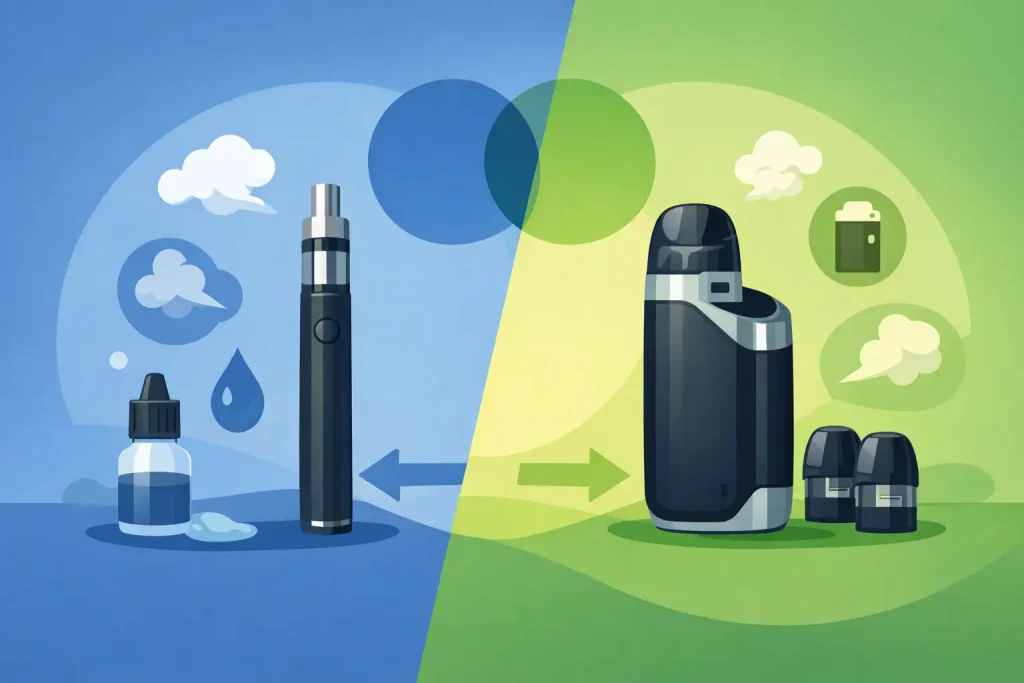
Short answer: in the vape pen vs pod kit choice, a pod kit is usually the easier pick for beginners: compact, often draw-activated and low on upkeep. A vape pen suits vapers who want a separate tank, adjustable airflow and more coil choice. The examples in this guide are the pod kits we stock; our refillable pod kits guide goes deeper.
Key Takeaways
- Pod kits are small, usually draw-activated and simple, suiting low-fuss mouth-to-lung vaping.
- Vape pens pair a battery with a separate tank, are often button-fired and offer more coil and airflow choice, with more parts to clean.
- Match e-liquid to the coil: thin 50/50 or nic salts for small pod coils, thicker high-VG for sub-ohm pens.
- The pod kits we stock are rated at 280 to 350mAh; three list 30 to 35 minute charging.
- Check replacement pods or coils are easy to get before you buy.
| Feature | Pod kit | Vape pen |
|---|---|---|
| Size | Compact, pocket-sized | Slim but usually longer |
| Activation | Mostly draw-activated | Often button-fired; some draw-activated |
| Coils | Built into the pod or a replaceable coil | Replaceable coils in a tank |
| Battery | Smaller cells suited to low power | Often larger cells |
| E-liquid | 50/50 or nicotine salts | 50/50 (mouth-to-lung) or high-VG (sub-ohm) |
| Upkeep | Refill or swap the pod | Clean the tank, change coils, check seals |
| Best for | Beginners and discreet mouth-to-lung vaping | Vapers who want adjustment and coil choice |
What is the difference between a vape pen and a pod kit?
A vape pen is a slim, cylindrical device: a rechargeable battery with a separate tank or clearomiser screwed on top. Most are button-fired, though some newer pen-style devices are draw-activated.
A pod kit pairs a compact battery with a pod that clicks or slots in and holds the mouthpiece plus a built-in or replaceable coil. Most starter pod kits are draw-activated, so inhaling fires the device: no buttons, fewer settings.
Open vs closed pod systems
Open (refillable) pods let you fill your own e-liquid; the Vivant Nomad and Kandypens Rubi both use them. Closed (prefilled) pods arrive filled and are replaced when empty, so there is no filling but less choice of liquid. The trade-off shows up in running costs, covered below, and our prefilled vs refillable pods comparison goes further.
Vape pen vs pod kit: ease of use
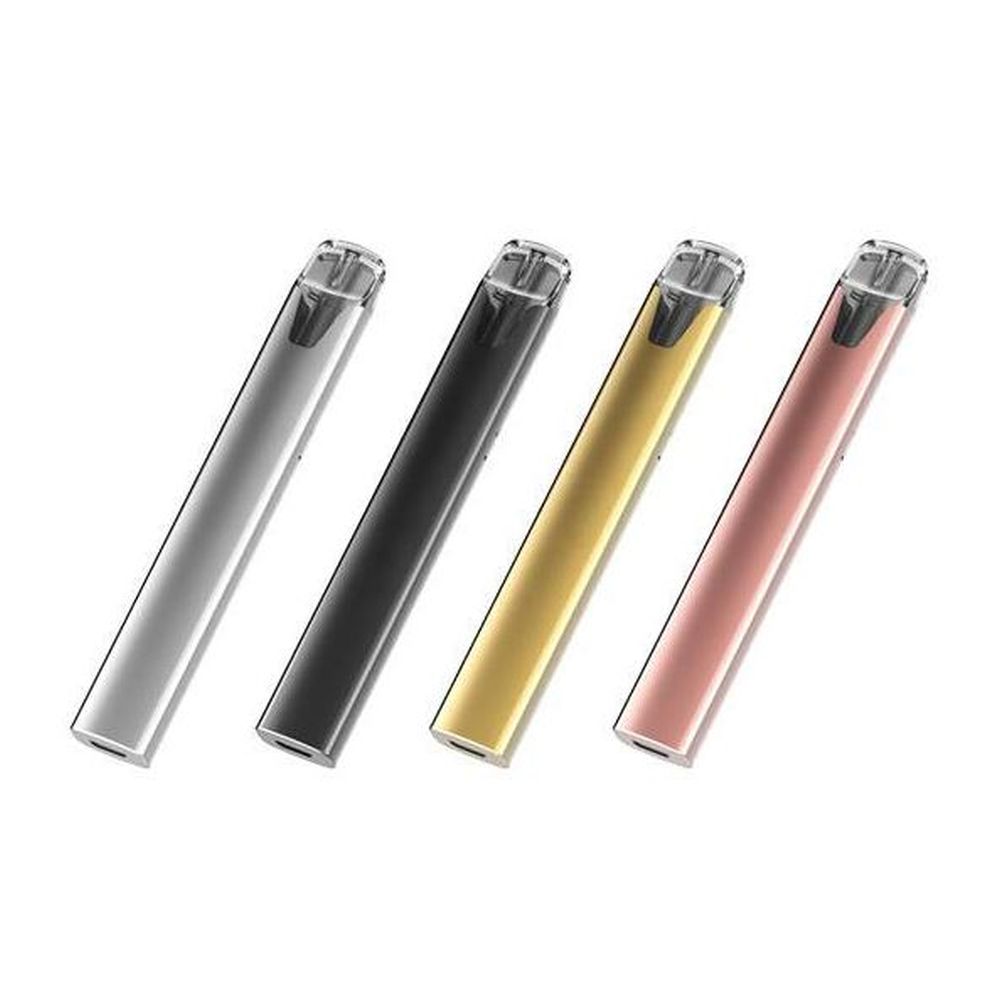
For a new vaper, a pod kit is normally the easier start: charge it, fill the pod, let the coil soak for a few minutes, then inhale. Most are built for mouth-to-lung vaping, a tighter, more cigarette-like draw than a high-powered device.
A vape pen asks a little more: you may press a fire button, fill a tank through a top cap and adjust airflow. None of it is difficult, but it suits someone happy to fine-tune their setup.
Pros and cons of pod kits and vape pens
Pros
- Compact and pocket-sized (the VIVANT EDGE weighs 21g)
- Mostly draw-activated, with no buttons to learn
- Few parts to clean
- Suits mouth-to-lung vaping and nic salts
Cons
- Small 1ml pods on the Rubi, EVO and EDGE mean frequent refills
- Small 280 to 350mAh batteries
- Little airflow or coil adjustment
- The EVO and Rubi charge by micro USB
Pros
- Separate tank, often with more capacity
- Replaceable coils, including sub-ohm options
- Adjustable airflow on many models
- Often larger batteries
Cons
- More parts to clean and seals to check
- Often button-fired
- Longer than most pods
- Thin liquid in a sub-ohm tank can leak or spit
Battery life and charging
Battery life depends on coil resistance, power and how often you vape, not mAh alone. Pen batteries are often larger, but a low-resistance coil at higher power drains a cell faster than a gentle pod coil. The VIVANT EDGE shows charge with a tri-colour LED: blue from 16-100%, yellow at 5-15% and red below 5%.
The pod kits we stock compared
| Model | Activation | Battery and charging | Pod and coil | Size / weight |
|---|---|---|---|---|
| SMISS EVO | Draw-activated | 280mAh, micro USB | 1.0ml PCTG pod, 1.5ohm organic cotton | 10.5 x 1.8 x 0.8 cm, 60g |
| Vivant Nomad Express | Draw-activated; 2.8V / 3.0V / 3.3V presets | 350mAh, 35 min recharge | Refillable open pod, silica or cotton wick | 8.5 x 1.7 x 1.7 cm |
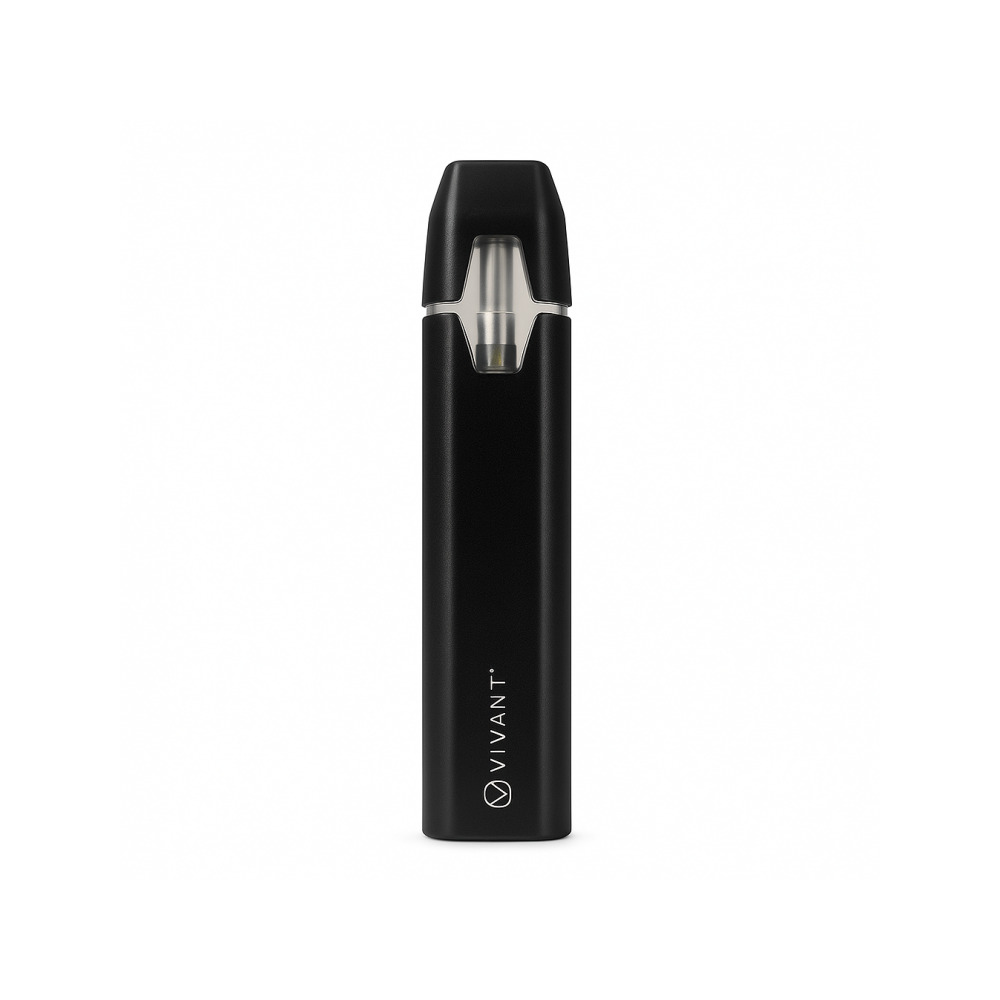
| VIVANT EDGE | Draw-activated, buttonless | 350mAh, 30 min via USB | 1ml oil pod, ceramic coil | 18 x 9 x 107 mm, 21g |
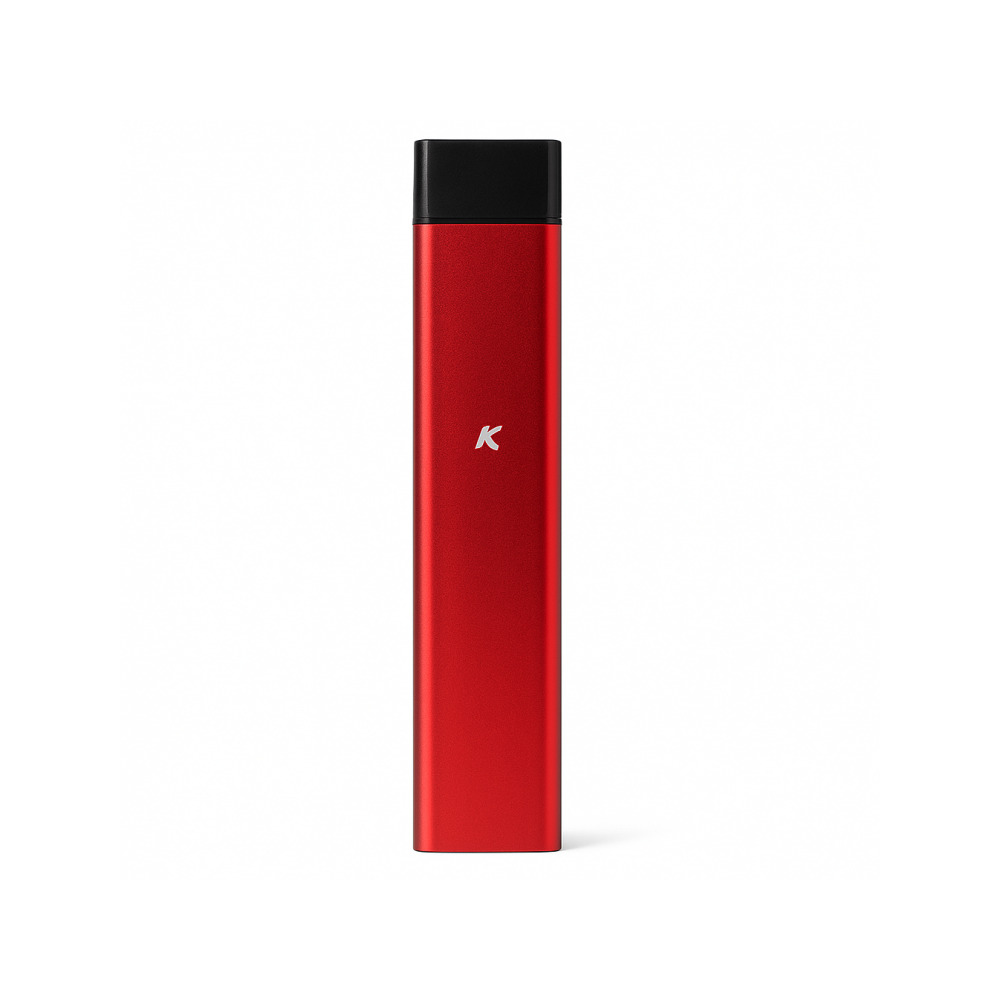
| Kandypens Rubi | Air-activated, 8-second auto-shutoff | 280mAh, about 30 min via micro-USB, about 250 puffs | 1ml refillable leak-proof pod, OCELL ceramic coil | Four inches tall |
The SMISS EVO Pod System is the one built for nicotine e-liquid, though at 60g it is the heaviest here. The VIVANT EDGE weighs just 21g, but its pod is designed for oils rather than e-liquid. The Vivant Nomad Express Kit is the most flexible, accepting oils and e-liquids with a choice of silica or cotton wick. The Kandypens Rubi vaporizer is the only one with an auto-shutoff, but none of the four suits a heavy user who wants a large tank.
All four examples here are pod kits. We do not yet have comparable catalogue specs for tank-style e-liquid pens, so we have not named pen models in this guide; our vape pens range lists the current options. The Nomad itself sits in that range despite its pod, which shows how far the two formats overlap.
E-liquid choice matters more than the shape
Most pod kits work best with 50/50 e-liquid or nicotine salts, which wick well through small coils such as the SMISS EVO's 1.5ohm organic cotton core.
A mouth-to-lung pen can use the same liquids, while a sub-ohm pen with lower-resistance coils is meant for thicker high-VG liquid. Thick liquid in a small pod can cause dry hits, and thin liquid in a sub-ohm tank can leak or spit; our leaking vape guide covers the common causes.
Mouth-to-lung vs direct-to-lung
Mouth-to-lung (MTL) means drawing vapour into your mouth first, then inhaling, with a tight draw; small pod kits such as the SMISS EVO are built for this. Direct-to-lung (DTL) means inhaling straight into the lungs through looser airflow, which is what sub-ohm pens are designed for. As a rule, MTL pods pair with higher-strength nic salts, as the EVO listing does, while DTL setups use lower nicotine strengths because they produce much more vapour per puff.
Coils, pods and ongoing cost
Pods use either fixed coils, where you replace the whole pod when the coil wears out, or replaceable coils, where only the coil changes. Fixed-coil pods are tidier for beginners; replaceable coils cut waste and can cost less over time. Spare pods, such as the Kandypens Rubi 1ml refillable pod, are sold separately.
Upfront cost is low for both, so ongoing spend matters more. Closed pods mean buying a whole unit each time, while open pods and pen tanks let you buy your own e-liquid. Our disposable vs refillable guide compares running costs.
Choosing a device if you currently smoke
If you smoke, draw style matters more than the name on the box. A tight mouth-to-lung pod kit is the closer match to a cigarette, which is how the catalogue describes the SMISS EVO's draw. A sub-ohm pen gives a looser, airier inhale.
Nicotine salts are commonly chosen for a smoother feel at higher strengths, while freebase nicotine gives a more noticeable throat hit. Vaping products are for adults aged 18+ only, and people who do not smoke or vape should not start.
Which option suits your routine?
Choose a pod kit if you want a compact, low-fuss mouth-to-lung device that is simple to refill, charge and carry; our beginner vape kit guide walks through the first steps.
Choose a vape pen if you want more e-liquid capacity, adjustable airflow or different coil styles, without the size of a box mod. If a small pod means refilling too often, a pen with a bigger tank is the better choice.
Frequently asked questions
Is a pod system better than a vape pen for beginners?
Usually, yes. Pod systems have fewer parts and many have no buttons or settings. A vape pen is still a good option if you are happy changing coils.
Do pod systems leak less than vape pens?
Either can leak if damaged, overfilled, left in heat or fitted with a worn pod or coil. Some pods are designed against leaks, such as the Rubi's leak-proof pod and the EVO's multihole anti-leak spacer.
How long does a pod kit battery last and take to charge?
The catalogue rates the Kandypens Rubi's 280mAh battery at roughly 1-2 hours or about 250 puffs. Charging takes about 30 minutes for the Rubi and VIVANT EDGE and 35 minutes for the Vivant Nomad.
Can you refill a pod kit with any e-liquid?
No. Small pod coils usually suit thin 50/50 or nic salt, and some pods, such as the VIVANT EDGE's oil pod, are built for oils, so check the listing first.
How do you empty or clean a pod?
Check the listing first, as advice varies by pod. Fixed-coil pods are generally replaced rather than deep-cleaned once the coil wears out, and wiping the mouthpiece and contacts helps with condensation. To change flavour in an open pod, empty it through the fill port before refilling.
How often should I replace a pod or coil?
Replace it when flavour turns muted or burnt, vapour drops noticeably, or the device starts to gurgle or leak.
Easy Vapes stocks pod kits and vape kits alongside spare pods and coils. Pick the device whose refills, charging and spare parts fit your routine, as that is the one you will keep using.