
How to Prevent Vape Condensation Buildup
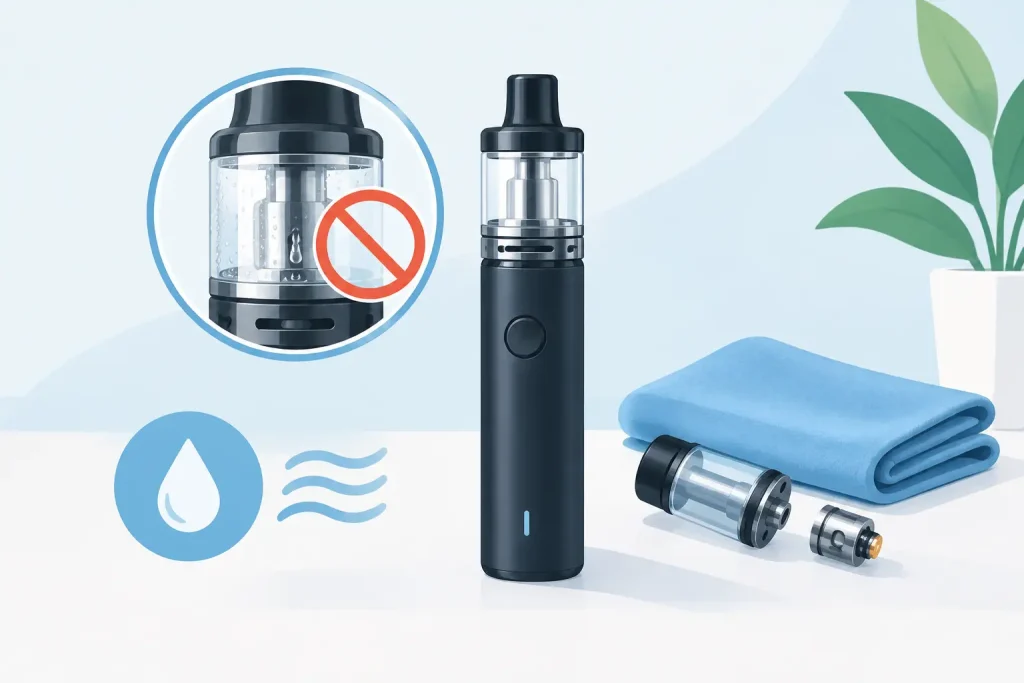
A wet mouthpiece, a faint gurgle when you inhale, or a small pool of liquid beneath the pod does not always mean your vape kit is leaking. Often, it is condensation. Learning how to prevent vape condensation buildup can make every puff cleaner, protect your device contacts and stop perfectly good e-liquid being wasted.
Condensation is a normal by-product of vaping. Vapour cools as it moves through the chimney or pod, then turns back into tiny droplets of e-liquid. A little moisture is expected, particularly with compact pod kits and higher-PG liquids. The aim is not to make a vape completely dry inside. It is to stop those droplets collecting until they affect flavour, airflow or the performance of your coil.
Why vape condensation happens
Every vape heats e-liquid into vapour. Once that vapour leaves the coil and travels towards the mouthpiece, it cools. Some of it condenses on the inner walls of the pod, tank or mouthpiece. Over time, the moisture can run back towards the coil, sit around the airflow channel or gather at the base of the pod.
Small pod systems are especially prone to this because the vapour path is short and narrow. Cooler weather can make the effect more noticeable too. If you move from a warm room into cold air, or leave a vape in a chilly car, the temperature difference encourages more vapour to turn into liquid.
How you vape matters as well. Very sharp, forceful puffs can pull excess liquid into the coil area and create flooding. Long gaps between uses can leave vapour residue inside the mouthpiece. Neither issue means you have chosen the wrong device, but a few simple habits will keep it under control.
Keep the mouthpiece and pod connection dry
The quickest way to prevent vape condensation buildup is regular wiping. Remove the pod or tank from the battery and use a clean piece of tissue to dry the base, the connection points and the underside of the mouthpiece. Do this whenever you refill, change a pod or notice moisture around the device.
Pay attention to the metal contacts inside the battery section. Liquid left there can interfere with the connection, causing weak firing, auto-firing warnings or a device that appears not to recognise the pod. Never put liquid directly into this area. A dry cotton bud can help reach tight corners, but use it gently and make sure no fibres are left behind.
You do not need a major clean after every use. For most adult vapers, a quick wipe once a day and a more thorough check when refilling is enough. If your kit is used heavily throughout the day, inspect it more often.
Clear the chimney without forcing liquid back
If you see droplets inside the mouthpiece, remove the pod or tank from the device and wipe it first. Hold it mouthpiece-down over tissue for a moment so loose condensation can drain out naturally. You can also lightly tap it against the tissue.
Avoid blowing hard through the mouthpiece while the pod is fitted to the battery. This can push moisture deeper into the airflow sensor or contacts. With draw-activated devices, that is particularly likely to cause trouble. Gentle cleaning is more effective than trying to blast a flooded pod clear.
Use the right e-liquid for your coil
E-liquid thickness has a direct effect on flooding and condensation. A liquid that is too thin for a powerful sub-ohm coil may reach the coil too quickly. One that is too thick for a small, low-power pod can struggle to wick properly. Both situations can lead to poor vapour production, spitback or excess residue in the airflow path.
For most low-power mouth-to-lung pod kits, nicotine salts and 50/50 e-liquids are commonly suitable. For higher-power, direct-to-lung tanks, high-VG shortfill e-liquids are usually the better match. Always check the coil or device guidance before filling. The correct blend will not eliminate condensation, but it reduces the chance of flooding that makes it far worse.
Flavour can also make a difference. Very sweet liquids tend to leave more residue on coils over time. If your coil darkens quickly, flavour becomes muted or gurgling returns soon after cleaning, try replacing the coil or pod rather than repeatedly wiping around the same problem.
Fill carefully and do not overfill
Overfilling is one of the easiest mistakes to make, especially with small refillable pods. Leave a little air space at the top of the reservoir instead of filling right to the edge. That space helps maintain normal pressure inside the pod and gives you room to close the fill port without forcing e-liquid into the central chimney.
Keep liquid away from the middle airflow tube when filling a tank. If e-liquid goes directly into the chimney, you may hear gurgling immediately after refilling and see droplets at the mouthpiece. Remove the pod or tank, wipe it down and take a few gentle puffs before deciding whether anything is wrong.
After filling, close the silicone plug or top cap firmly. A loose seal can allow air into the pod and liquid out of it. It can look like condensation, but a damp patch around the fill port is usually a sealing issue. Check that the plug is sitting flat and has not become damaged or stretched.
Adjust the way you inhale
A vape works best with a steady, measured draw. Pulling too hard can overwhelm the coil and draw more liquid than it can vaporise. That surplus e-liquid can pop, spit or collect as moisture in the mouthpiece.
Try a slower inhale of two to four seconds, then allow a short pause between puffs. Chain vaping does not give the coil much time to regulate temperature or re-saturate evenly, particularly on compact kits. If the device becomes warm, set it down for a few minutes. This small change often reduces gurgling without needing a new coil.
Airflow settings matter where your device has them. A tightly restricted airflow can create more suction through the coil, while an overly open setting may feel cool and leave more vapour to condense before you inhale it. There is no single perfect setting. Start in the middle, then make small adjustments until the draw feels smooth rather than wet or noisy.
Store your vape upright where possible
Keeping a vape upright is one of the simplest ways to reduce pooled liquid. When a filled pod or tank is left on its side for long periods, e-liquid and condensation can settle around the airflow openings. This is more likely in bags, pockets and cars, where temperature changes add to the problem.
If you are carrying a device out and about, keep it switched off if it has a fire button and avoid leaving it in direct sunlight or freezing conditions. Extreme heat thins e-liquid, making leaks and flooding more likely. Cold conditions encourage condensation. A case can protect the device from knocks, but check it is not trapping leaked liquid against the pod base.
Know when it is condensation and when it is a fault
A small amount of clear or lightly coloured moisture around the mouthpiece is usually condensation. It should be manageable with a wipe and should not empty the pod noticeably. Repeated large leaks, however, may point to a worn coil, damaged pod, cracked glass, loose seal or an incompatible replacement part.
Replace the coil or pod if gurgling persists after cleaning, the flavour tastes burnt or weak, or liquid keeps appearing beneath the device. Do not continue using a pod with visible cracks. Also stop using the device if liquid has reached the battery compartment and it behaves unusually. Clean it carefully, allow it to dry fully and seek support if the problem remains.
Recommended Products
For a cleaner, more reliable setup, choose replacement pods and coils made specifically for your existing vape kit. Keeping a spare pod or a fresh pack of compatible coils on hand means you can deal with persistent flooding straight away instead of trying to extend the life of a worn component.
It is also worth keeping the right e-liquid ratio for your device. Compact refillable pod kits generally suit balanced 50/50 liquids or nicotine salts, while higher-wattage tank kits usually need thicker high-VG e-liquid. Buying the correct consumables together can save wasted liquid, prevent coil issues and make your next refill easier.
Frequently asked questions
Is condensation in a vape dangerous?
A small amount of condensation inside a mouthpiece or pod is normal. Wipe it away before it reaches electrical contacts. If there is significant liquid in the battery area, stop using the device until it is clean and completely dry.
Why does my vape gurgle after I refill it?
The central chimney may have received a little e-liquid, the pod may be overfilled or the coil may be flooded. Wipe the device, keep it upright and take gentle puffs. If the gurgling does not settle, replace the coil or pod.
Can I wash a vape pod with water?
Only wash a pod if the manufacturer says it is suitable, and never wash the battery or electrical contacts. In most cases, tissue and a dry cotton bud are safer for removing condensation. Make sure every part is fully dry before reassembling.
How often should I clean my vape?
Wipe the mouthpiece and pod connection daily, or whenever you refill. Give the device a closer check each time you change a coil or pod. Regular small cleans are quicker than dealing with a flooded vape later.
A dry contact area, a correctly filled pod and a steady draw are usually all it takes to keep condensation from becoming a nuisance. Build those checks into your refill routine and your vape kit should stay cleaner, taste better and be ready when you need it.