
How to Pack Rolling Papers for an Even Roll
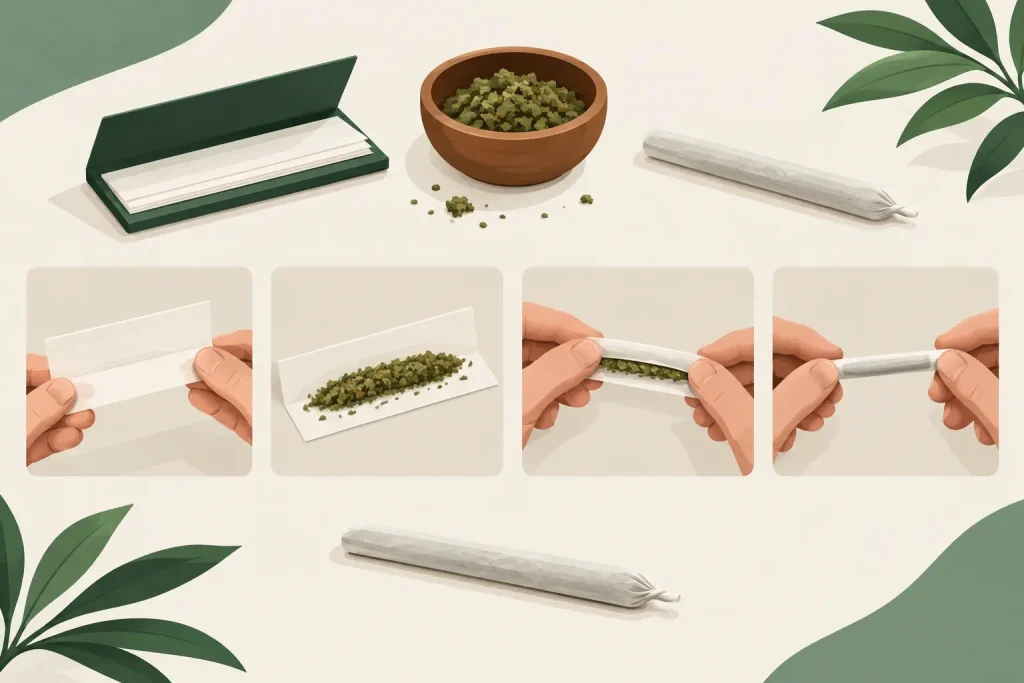
A roll that burns unevenly, feels too tight or keeps opening usually goes wrong before the paper is licked. Learning how to pack rolling papers is less about cramming in more material and more about getting an even shape from end to end. A little patience, the right paper and a properly placed filter make a noticeable difference.
This guide is intended for adults using lawful smoking materials. Take your time for the first few attempts. Once you understand the feel of a well-packed roll, it becomes a quick everyday job rather than a frustrating one.
How to pack rolling papers evenly
Start with a clean, dry surface and make sure your smoking material is prepared evenly. Large chunks and damp material are harder to roll consistently, while material ground too finely can block airflow or fall through the ends. The aim is a light, level fill that can be shaped easily between your fingers.
Choose a paper size that suits the amount you plan to use. A small paper is easier to manage for a compact roll, while king-size papers give you more room to shape a longer roll. Bigger is not automatically better – an oversized paper with too little filling can leave excess paper and create a loose finish.
Set the paper the right way round
Lay the paper down with the adhesive strip facing up and away from you. If you are using a filter tip, place it at one end before adding anything else. This gives your roll a firm starting point and helps you keep its shape while packing.
Most people find it easiest to hold the filter in their non-dominant hand and build the roll outwards. There is no rule that says the filter must be on a particular side, so use the side that feels most natural. The key is to keep it in place from the start rather than trying to force it in after rolling.
Add an even line of material
Sprinkle the material along the centre crease of the paper, leaving a small gap at both ends. Do not pile it into one high mound. A level line with a slightly fuller centre is usually easier to shape and less likely to spill when you begin rolling.
If you want a straight roll, keep the amount consistent along its length. For a tapered finish, use a little more at the open end and less close to the filter. Keep the difference subtle. An extreme cone can look impressive but may burn unevenly if it has been packed too tightly at one end and too loosely at the other.
Shape before you roll
This is the part people rush, and it is where most loose rolls begin. Hold the paper between your thumbs and forefingers, then gently move it back and forth. The material will settle into a tube shape as you work it along the crease.
Use light pressure. You are shaping, not compressing. If the material will not move, there is probably too much in the paper. Remove a small pinch and try again. If it rattles around or leaves obvious gaps, add a little more before continuing.
A good pack should feel even when you run your fingers from the filter to the other end. You should not feel hard lumps, empty pockets or a bulky section that is likely to burn slowly.
Tuck, roll and seal
Once the material is shaped, tuck the non-adhesive edge of the paper around it. Start at the filter end, where the firm tip makes the tuck easier to control. Continue across the length of the paper, keeping the pressure steady rather than squeezing tighter as you go.
When the bottom edge is tucked in, roll upwards until only the adhesive strip remains visible. Lightly moisten the gum line, then finish rolling and press along the seal for a few seconds. Too much moisture can weaken thin paper, so a light touch is enough.
Give the open end a gentle twist if you need to keep the filling secure. Avoid twisting it too tightly, as this can restrict airflow and make lighting more difficult. If the roll feels soft after sealing, tap the filter end lightly on the table to settle the contents, then close the open end again.
Get the pack right without overfilling
A tightly packed roll is not always a better roll. Overpacking makes it difficult to draw through and can cause one side to burn slower than the other. It may also split the paper while you are trying to tuck it in.
Underfilling has the opposite problem. The roll can feel floppy, crease in the middle and go out easily. If you can see wide gaps through the paper, it needs a little more material or a smaller paper.
The sweet spot is firm enough to hold its shape but loose enough for air to pass through. If you are unsure, make a slightly lighter roll first. It is easier to add a small amount next time than it is to rescue an overfilled paper halfway through rolling.
Choose papers and tips that suit your style
Paper thickness changes how forgiving the process feels. Standard-weight papers are generally easier for beginners because they hold their shape and tolerate a little extra handling. Thinner papers can give a lighter finish, but they demand a neater tuck and less moisture along the gum line.
Pre-rolled cones are a practical option if you want to skip the rolling stage. They still need an even pack, but the shape and seal are already done for you. Fill gradually, tap lightly as you go and avoid forcing a large amount into the narrow tip.
Filter tips are worth using for control as well as comfort. A card tip gives the roll structure, keeps the end open and helps prevent loose material from reaching your mouth. You can fold a small W or accordion shape into the tip before rolling it into a cylinder, then adjust it until it sits snugly inside the paper.
Common packing problems and quick fixes
If your roll keeps canoeing, where one side burns faster than the other, the filling is probably uneven or one area is packed too tightly. Next time, spend longer shaping the contents before tucking the paper. A slow, even light also helps prevent one-sided burning.
If the paper will not tuck, reduce the amount slightly and make sure you are rolling from the filter end first. Trying to tuck a loose pile all at once is harder than working from a firm starting point.
If material falls out of the end, leave a little more empty paper at the top when filling. After sealing, tap the filter end once or twice to settle everything and use a gentle twist to close the open end.
If your roll feels blocked, do not press harder while shaping. Loosen the material slightly or use a wider paper. Very fine material can also compact too easily, so a coarser, more consistent preparation often gives a better draw.
Recommended Products
For a simpler rolling routine, build a small kit around the essentials: quality rolling papers, card filter tips, a grinder for a more even consistency and a compact storage solution to keep papers dry and flat. Easy Vapes stocks a broad choice of smoking accessories, making it easy to add everyday rolling essentials to the same order as other adult-use accessories.
If you prefer a quicker setup, look for pre-rolled cones alongside your usual papers and tips. They are especially useful when you want a consistent shape without practising the tuck. Buying a few paper sizes can also help you find the format that feels most comfortable in your hands.
Frequently asked questions
How much should I put in a rolling paper?
Use enough to create an even tube with no empty sections, but not so much that the paper strains when tucked. The exact amount depends on the paper size, the filter and whether you prefer a straight or tapered roll.
Should I pack the filter end tightly?
Keep the material close to the filter end neat and reasonably firm, but do not compress it hard. A snug fit helps the roll hold together, while too much pressure can reduce airflow.
Why does my roll keep going out?
It may be underfilled, packed unevenly or made with material that is too damp. Check for loose areas, shape the contents more carefully and avoid over-moistening the adhesive strip.
Are thicker papers easier to roll?
For many people, yes. They tend to be easier to handle and less likely to crease or tear while you are learning. Once your technique feels consistent, you can try thinner papers if you prefer them.
The best way to improve is to keep your setup simple and pay attention to the shape before you seal. A neat, evenly packed roll starts with a few extra seconds of preparation – and that small habit makes every attempt easier.