
Dry Herb Vaporiser Guide for First-Time Buyers

This dry herb vaporiser guide in brief: choose a portable for flexibility, a desktop for longer home sessions, or a manual device if you enjoy learning technique. Conduction heats fast and is common in portables, while convection and hybrid heating aim for more even results. Start at the low end of your temperature range, and pair any device with a decent grinder such as the SX4 44mm grinder and a simple cleaning kit.
A dry herb vaporiser guide is most useful before you buy, not after a new device arrives with more buttons, settings and accessories than expected. The right model can be simple, reliable and good value. The wrong one can leave you with short battery life, awkward cleaning and a chamber that does not suit how you actually use it.
Dry herb vaporisers (often spelled vaporizer in US listings) heat loose, legal botanical material without burning it in the same way as a flame. They are different from e-liquid vape kits, disposable vapes and concentrate devices, so choose a unit made for the material you plan to use. For UK adults aged 18+, the best starting point is to match the device to your budget, routine and preferred level of control.
Key Takeaways
- Portables suit most first-time buyers, desktops suit regular home use and manual devices take practice.
- Conduction heats through chamber contact, convection passes hot air through the material and hybrid combines both.
- Ranges differ: the Xvape Fog steps from 180°C to 220°C, while the Zeus Arc presets run 205°C to 225°C.
- A fixed internal battery is simple; a replaceable 18650 cell lets you swap in a charged spare.
- A medium, even grind and regular cleaning matter as much as the device itself.
Dry Herb Vaporiser Guide: Start With the Device Type
There are three main styles to consider: portable electric vaporisers, desktop vaporisers and manual flame-heated devices. None is automatically better, and our portable vs desktop comparison goes deeper on the first two.
A portable electric vaporiser is the easy all-round choice for most first-time buyers: compact, rechargeable and ready wherever use is appropriate and permitted. Many models offer a digital screen or simple preset temperatures. The trade-off is battery life, as smaller units need charging more often and may have a smaller chamber.
Desktop vaporisers are designed for home use. They plug into the mains and usually offer stronger, more consistent heating over longer sessions. For regular use at home, a desktop model can represent better long-term value than repeatedly upgrading small portables, though it takes up space and is not an option for travelling.
Manual vaporisers use a butane torch lighter rather than a battery. They have fewer electronic parts and can be very durable, but they take practice: heating too quickly or unevenly affects the result. They suit someone happy to learn the technique more than a buyer wanting push-button convenience.
| Device type | Power source | Best for | Main drawback |
|---|---|---|---|
| Portable electric | Rechargeable battery | Most first-time buyers and use away from home | Battery life and smaller chambers |
| Desktop | Mains | Regular, longer sessions at home | Takes up space; not for travel |
| Manual | Butane torch lighter | Users happy to learn technique | Takes practice; uneven heating if rushed |
Heating Method: Conduction, Convection or Hybrid?
The heating system affects flavour, ease of use and how closely you manage a session. Conduction vaporisers heat material through direct contact with the chamber walls, warm up quickly and are common in portables such as the Zeus Arc, which uses a stainless steel chamber. For best results, pack the chamber evenly and stir the contents during longer sessions.
Convection heating passes hot air through the material instead. This can provide more even heating and preserve flavour for longer, but it can cost more and may take a little longer to reach temperature. It also rewards a slower, steadier draw.
Hybrid devices combine both methods. The Xvape Fog, for example, is listed as hybrid convection with a quoted heat-up of around three seconds, though its listing does not specify the exact hybrid mechanism. Hybrid heating is a sensible feature if your budget allows, but not essential: a well-made conduction unit with sensible temperature control can still be a very good daily device.
| Spec | Zeus Arc | Xvape Fog | Vivant Alternate |
|---|---|---|---|
| Heating | Conduction | Hybrid convection | Not stated |
| Temperature control | Presets: 205°C, 215°C, 225°C | Five steps: 180–220°C | OLED display, up/down buttons |
| Heat-up time | Approx. 80 seconds | Approx. 3 seconds | Not stated |
| Battery | 3500mAh internal, up to 90 min continuous | Replaceable 2600mAh 18650 (included) | 30 AMP 18650 (included) |
| Charging | Micro-USB | Not stated | USB, also used for firmware updates |
| Chamber capacity | Up to 0.3g | Not stated | Not stated |
| Concentrates | Not stated | Herbs, waxes and concentrates (pad included) | Concentrate pad included |
To show how these differences look on real hardware, the table below compares three vaporisers we stock: the conduction Zeus Arc, the hybrid Xvape Fog and the Vivant Alternate, whose listing does not state its heating type. Where a spec is missing from the manufacturer details, we have left it as not stated.
Choose a Chamber That Fits Your Routine
Chamber size matters more than many buyers expect. A larger chamber suits longer sessions but can be wasteful if you only want a little at a time; for reference, the Zeus Arc chamber holds up to 0.3g. A compact chamber is more efficient for solo use and quicker to clean, though it needs refilling more often.
Look at whether the chamber works well with a partial fill. Some vaporisers perform best when packed firmly, while others are designed to handle smaller loads with a dosing capsule or chamber reducer. Capsules can be particularly handy: they keep the oven cleaner, make loading less fiddly and let you prepare a few portions in advance.
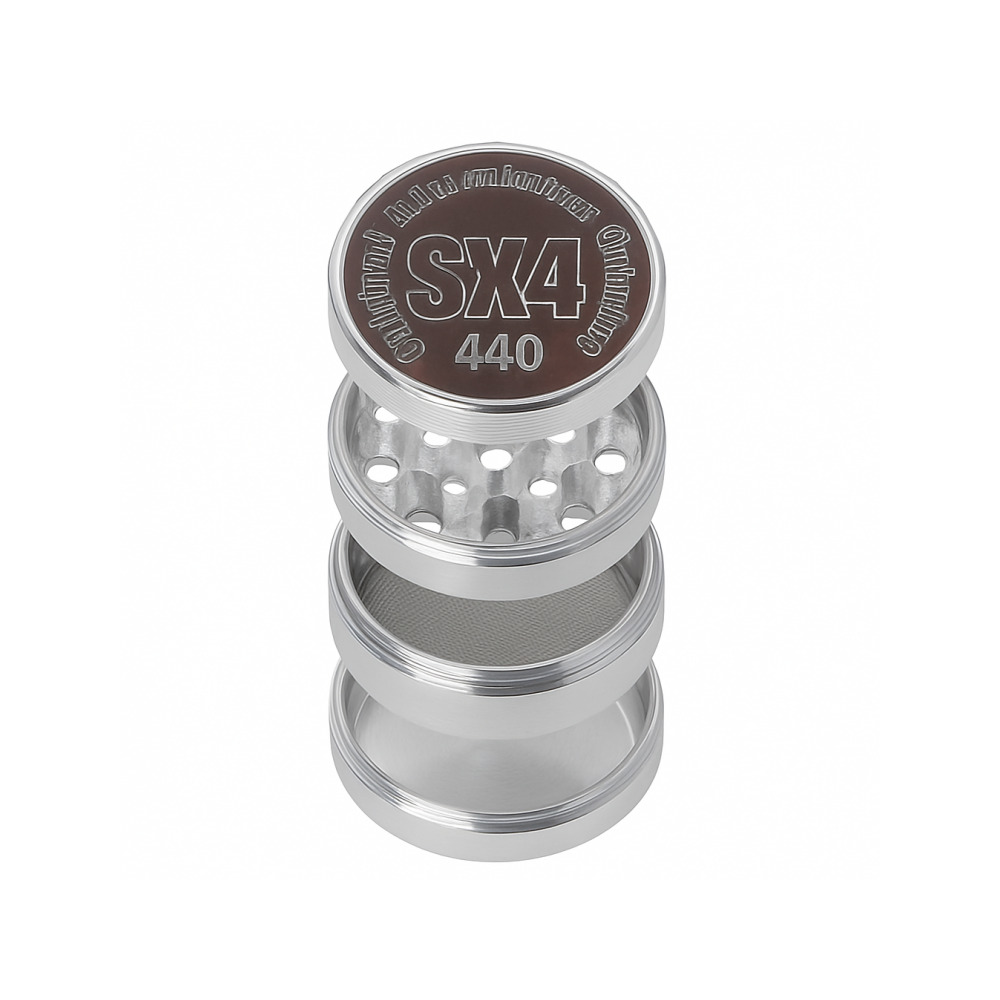
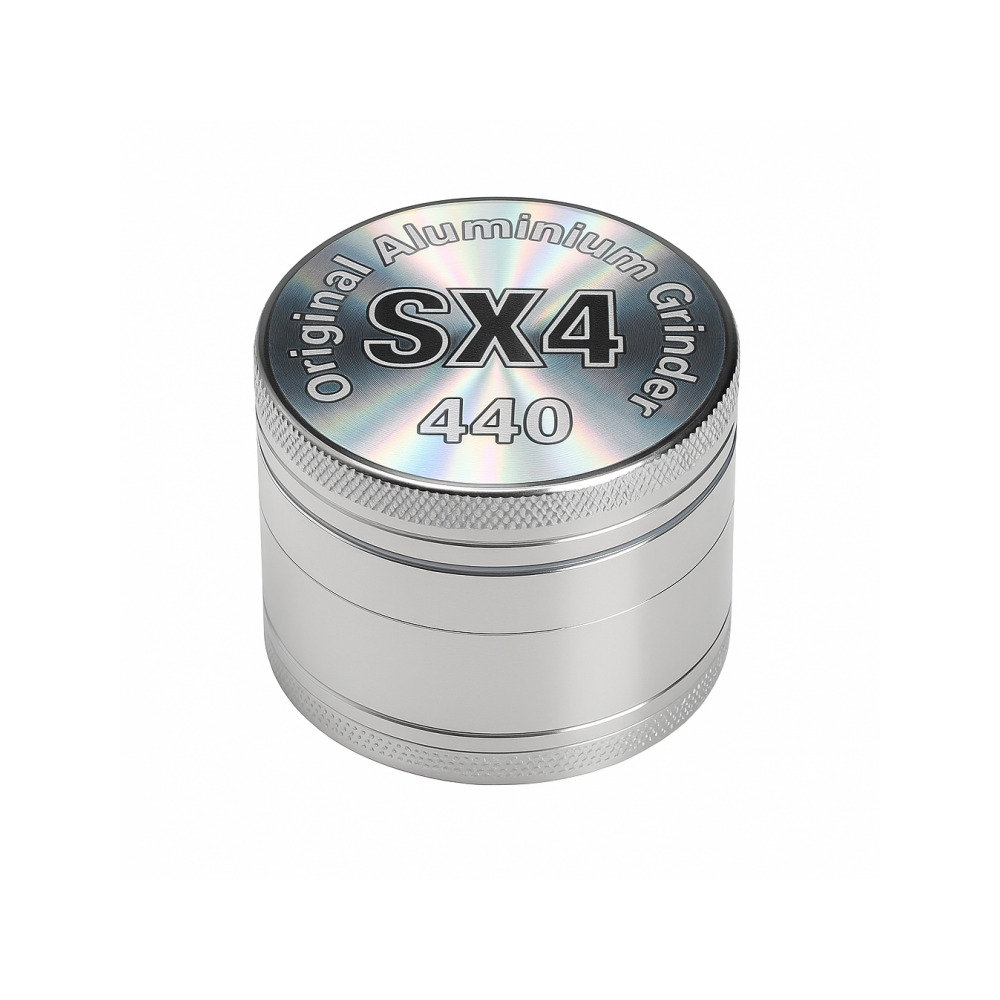
The grinder matters too. A medium, even grind is usually a safe place to start: material that is too coarse may heat unevenly, while powder can restrict airflow and leave debris in the mouthpiece. The SX4 44mm 4-part aluminium grinder has a mesh screen, a kief-catching bottom chamber and a magnetic lid, and its listing says it suits filling a dry herb vaporiser. Other sizes sit in our grinders range.
Dry Herb Vaporiser Temperature Without the Guesswork
Temperature settings control the pace and character of a session. Lower settings generally favour lighter flavour and a gentler experience, while higher settings produce denser vapour and use material more fully. Exact results vary by device, botanical material, grind and packing method, so there is no single perfect number for everyone.
For beginners, start at the lower end of your device's range and increase gradually if needed. Ranges differ: the Xvape Fog steps from 180°C to 220°C with a single button, while the Zeus Arc ships with Performance presets of 205°C, 215°C and 225°C, and Flavor or Balanced profiles can be loaded via firmware. Presets suit simplicity; full degree-by-degree control is only worth paying extra for if you will actually use it.
Battery, Charging and Build Quality
Battery life is a practical buying factor, especially with portables, so think in sessions rather than vague capacity claims. The Zeus Arc uses a 3500mAh internal battery rated for up to 90 minutes of continuous use and charges via micro-USB, whereas the Xvape Fog and Vivant Alternate run on 18650 cells, so a charged spare can be swapped in. A removable battery does mean using the correct compatible cells and a suitable charger.
Build quality shows up in the details: lids should close firmly, buttons should feel responsive and the mouthpiece should come off easily for cleaning. The Zeus Arc uses a hard-coat anodised aluminium chassis, while the Vivant Alternate adds heat sink fins and a mouthpiece with adjustable airflow. Check that replacement screens, seals and mouthpieces are available before you buy.
Cleaning Keeps a Vaporiser Performing Well
A clean vaporiser gives better airflow and a more consistent taste. Empty the chamber after it has cooled enough to handle, then brush out loose material. This quick habit prevents residue building up around the screen and oven.
Every few uses, take apart the mouthpiece and clean removable parts as the manufacturer directs. Namaste Cleaning Wipes are individually sealed 70% isopropyl alcohol wipes suited to metal and glass, including chambers and mouthpieces, but they are not recommended for silicone or printed finishes. Never soak electronics, and let everything dry completely before reassembly.
Replace screens, seals and filters when they become blocked or damaged. The Zeus Arc box includes 5 cotton swabs and 5 pipe cleaners, and the Vivant Alternate kit includes a cleaning brush. Our 36cm bendable cleaning brush is designed for bongs and bottles rather than vaporiser chambers, so it is the better pick if you also own glassware.
How to Use Your First Dry Herb Vaporiser
- 1. Read the manual and follow the maker's first-use instructions; some recommend a wipe or an empty heat cycle before first use, and guidance varies by model.
- 2. Charge fully, or fit a charged 18650 cell if your device takes one.
- 3. Grind to a medium, even consistency; a 4-part grinder such as the SX4 grinder sifts fine particles through its mesh screen.
- 4. Pack the chamber as the manual describes, evenly for conduction devices, without overfilling.
- 5. Pick a low temperature, wait for the ready signal (the Vivant Alternate shows a green LED) and draw slowly.
- 6. Stir between draws on conduction models, then empty and brush out the chamber once it has cooled.
Some devices help with the last step: the Zeus Arc's accelerometer cools and shuts the unit off when idle, and its magnetic multi-tool in the base packs and stirs the chamber. For a fuller walkthrough, read how to use a dry herb vaporiser properly.
Accessories Worth Adding to Your Basket
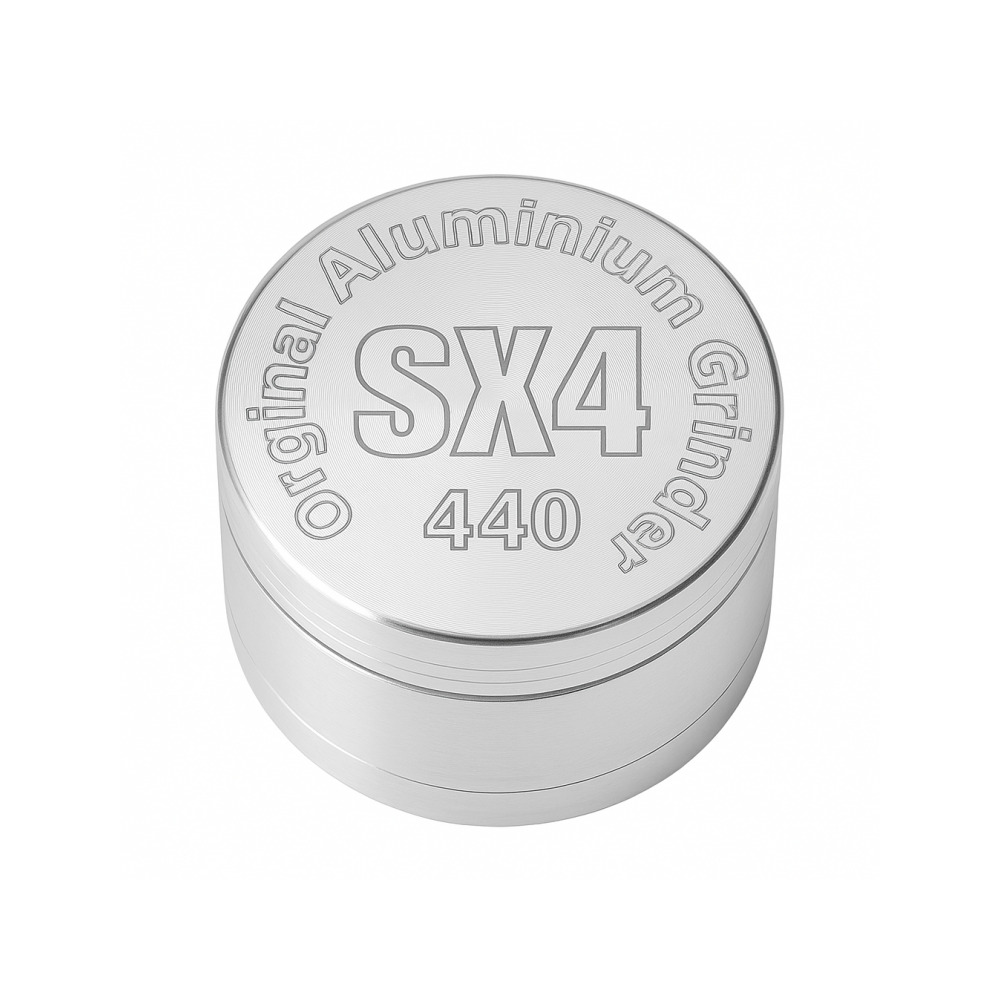
Not every accessory is essential on day one. A grinder such as the SX4 Aluminium Dry Herb Grinder and a cleaning brush are the practical basics, and if your device supports them, dosing capsules help with neater loading. A protective case makes sense for a portable carried in a bag; note the Vivant Alternate already includes a grinder tool that attaches to the device.
For models with replaceable batteries, buy compatible batteries from a trusted retailer and use an appropriate charger. Avoid loose batteries rolling around with keys or coins. For desktop units, spare bags, whips, screens and mouthpieces can be useful depending on the design.
Easy Vapes stocks dry herb hardware alongside everyday accessories, so a grinder, wipes and spare 18650 cells can go in one order rather than three.
View product Original price was: £14.99.£5.00Current price is: £5.00.Buy for the Way You Will Really Use It
Before choosing, ask a few honest questions: will it mainly stay at home, do you need a discreet portable, are you happy to clean it regularly, and do you want presets or full temperature control? If you want simple presets and up to 90 minutes of continuous use, the Zeus Arc fits; if you want herbs and concentrates in one device with a swappable battery, the Xvape Fog or Vivant Alternate is the better choice. Our best dry herb vaporiser UK picks cover more models.
These products are for adults aged 18+. Read the manufacturer's care guidance, use only legal materials, and follow UK rules on where use is allowed. A vaporiser is not a health product, and individual experiences vary; what you can control is the quality of the device and how you maintain it.
The best first vaporiser is rarely the one with the longest feature list. It is the model you will keep charged, keep clean and be happy to use week after week.
SX4 Aluminium Dry Herb Grinder 44mm 4 Part
44mm 4-part aluminium grinder with mesh screen, kief-catching chamber and magnetic lid, suited to filling a dry herb vaporiser.
Original price was: £14.99.£5.00Current price is: £5.00.
In stock
Free UK mainland delivery on orders over £50 (over £70 to the Highlands & Islands)
View product Original price was: £14.99.£5.00Current price is: £5.00.Frequently Asked Questions
Do I need to grind herb for a vaporiser?
Generally, yes. A medium, even grind is a safe starting point: too coarse can heat unevenly, while powder can restrict airflow and leave debris in the mouthpiece.
What is the difference between conduction and convection vaporisers?
Conduction heats material through contact with the chamber walls, as in the Zeus Arc. Convection passes hot air through the material, and hybrids such as the Xvape Fog combine both.
What temperature should I use for a dry herb vaporiser?
Start at the low end of your device's range and raise it gradually. The Xvape Fog's lowest setting is 180°C, while the Zeus Arc's presets start at 205°C.
Can you use concentrates in a dry herb vaporiser?
Only if the device is designed for it. The Xvape Fog and Vivant Alternate both include a concentrate pad; the Zeus Arc listing does not mention concentrates.
How do you clean a dry herb vaporiser?
Brush out the cooled chamber after each session and clean removable metal or glass parts with isopropyl wipes as the manual directs. Avoid isopropyl wipes on silicone and never soak electronics.
How much herb does a dry herb vaporiser hold?
It varies by model. The Zeus Arc chamber holds up to 0.3g; check each listing, as not every maker states capacity.
1 comment
Comments are closed.