
DynaVap Dry Herb Review for UK Adult Buyers
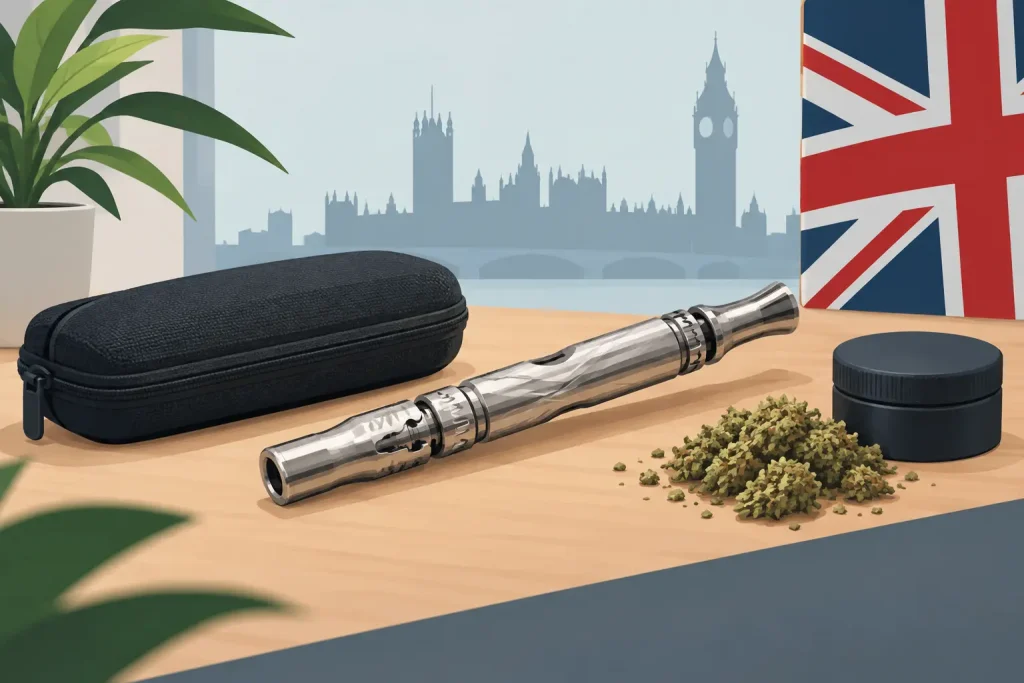
A DynaVap does not behave like the push-button portable vaporisers many buyers expect. There is no battery to charge, no screen to adjust and no automatic heating cycle. Instead, you load a small amount of legal dry herb, heat the cap with a suitable butane torch or induction heater, wait for the click, then take a slow draw. That difference is exactly why it has such a loyal following.
This DynaVap dry herb review looks at the practical question for UK adults: is this compact, battery-free format worth buying, or is a conventional electronic vaporiser the better fit? The answer depends less on whether DynaVap is good and more on how you like to use dry herb.
What makes a DynaVap different?
DynaVap devices are manual dry herb vaporisers. The metal cap gives an audible and tactile click when it reaches vaping temperature. Once it clicks, stop heating and inhale steadily through the mouthpiece. After use, the cap clicks again as it cools, signalling that it is safe to reheat.
It is a simple idea, but it changes the whole experience. Rather than relying on electronics, a DynaVap gives you direct control over where, how long and how intensely you apply heat. The chamber is also notably small compared with many portable units. That suits adults who prefer modest loads, shorter sessions and less waste.
For shoppers who do not want another USB device on charge, the battery-free design is a genuine selling point. A torch and fuel are all that is required, while an induction heater can make the process more consistent at home. It is also compact enough to store alongside your other dry herb accessories without taking up much room.
DynaVap dry herb review: flavour and vapour
When heated correctly, a DynaVap can produce surprisingly full flavour from a small amount of dry herb. The first draw is usually the cleanest and most flavour-forward. As you continue through the load, vapour becomes warmer and the flavour naturally becomes more toasted.
The key benefit is efficiency. A smaller chamber encourages you to pack only what you plan to use, rather than filling a large oven out of habit. For many experienced users, that makes a DynaVap feel economical over time. It can be a sensible choice for people who want to make their dry herb go further without moving to a large desktop unit.
There is a trade-off. The best results take a little practice. Heating too close to the base of the cap, or continuing after the click, can leave the herb tasting harsh or overdone. Heat nearer the tip for a lighter, more flavour-led session; move gradually lower on the cap if you prefer denser vapour. Rotate the device while heating to avoid hot spots.
A first-time user may need several sessions to find their preferred technique. That is not a fault, but it is not as effortless as pressing a button on an electronic portable vaporiser either.
The learning curve is real
The biggest reason some buyers do not get on with DynaVap is not performance. It is the manual heating method. A jet flame torch is fast and effective, but it asks for attention. You need to listen for the click, keep the flame moving and allow the cap to cool before reheating.
That rhythm soon becomes routine for many users. However, it will not suit everyone. If you want discreet, repeatable sessions at the press of a button, a battery-powered portable may be the more convenient route. A DynaVap is better for someone who enjoys a hands-on ritual and does not mind learning a technique.
An induction heater reduces much of that learning curve. It heats the cap without an exposed flame and can offer more repeatable results, particularly when used indoors. The downside is that it adds cost and, depending on the model, another device that may need power. Buyers choosing DynaVap mainly for complete simplicity should factor in the cost of a good torch and butane, or an induction heater, from the start.
Build quality, cleaning and everyday ownership
DynaVap hardware is known for its durable metal construction. There are no internal batteries to degrade and no digital components to fail, which makes the format appealing for buyers who value longevity. With sensible care, the device can remain a regular part of a dry herb setup for years.
Cleaning is straightforward but should not be ignored. Empty the chamber after each session and use the condenser or included tool to clear any build-up. Every so often, dismantle the unit and clean the separate metal parts with an appropriate cleaning solution. Seals and O-rings need more care than the metal body, so check the manufacturer guidance before soaking components.
Maintenance is part of owning a DynaVap, not a major chore. The reward is a device with replaceable parts rather than a sealed unit that becomes unusable when one element wears out. Keeping a spare cap or replacement seals on hand can be worthwhile for frequent users.
Is DynaVap discreet enough for UK buyers?
Its compact size is discreet in a pocket or storage case, but using a torch flame is not discreet in public. It also produces the familiar smell associated with heated dry herb, even if the scent can be less lingering than combustion. A DynaVap is therefore better suited to private settings, outdoor spaces where permitted, or controlled home use.
For travel around the UK, remember that the device itself is only one part of the setup. You will need to carry a torch safely and comply with venue, transport and accommodation rules. Never use any vaporiser where it is prohibited, and only use dry herbs that you are legally allowed to possess and consume.
Who should buy a DynaVap?
A DynaVap makes the most sense for adults who want excellent value from small amounts of dry herb, prefer a mechanical device and are willing to learn manual heating. It is particularly appealing if charging batteries is a nuisance or if you want a durable backup beside an electronic vape.
It may be less suitable for buyers who want temperature settings, long uninterrupted sessions, very low-effort operation or public-use discretion. In that case, browsing portable dry herb vaporisers with electronic temperature control may be a more practical starting point.
The price picture also matters. A DynaVap can cost less over its working life than repeatedly replacing battery-powered devices, but the total setup cost includes a reliable torch, fuel and potentially an induction heater. Think about the complete kit, not just the device price.
Recommended Products
For a strong entry point, consider the DynaVap M Plus. It is a sensible option for buyers who want the classic stainless-steel DynaVap experience, adjustable airflow and a durable everyday build without unnecessary electronics.
The DynaVap B is worth considering if you are curious about the heating method and want a more accessible route into the range. Its straightforward design is well suited to learning the click-and-heat routine before moving to a more premium setup.
Frequent users should also look at a DynaVap Captive Cap as a useful spare. Caps are central to the heating experience, and having a replacement available helps avoid interrupting your routine if a part is lost or damaged.
A suitable butane torch is the practical companion for any manual DynaVap. Choose a dependable model with an adjustable flame, use quality refined butane and always allow the cap to cool fully before reheating or putting the device away.
Frequently asked questions
Does a DynaVap use a battery?
No. Standard DynaVap devices are heated externally with a butane torch or an induction heater. This is one of their main advantages for buyers who do not want to manage battery life or charging cables.
How much dry herb does a DynaVap hold?
The chamber is designed for a small load, making it better for shorter, controlled sessions than large group use. Capacity varies by tip and packing style, but the small chamber is a key reason it can feel efficient.
Can a DynaVap combust dry herb?
Yes, overheating can cause combustion. Stop applying heat as soon as the cap clicks, rotate while heating and avoid applying the flame in one fixed place for too long. A little practice greatly reduces the risk.
Is DynaVap good for beginners?
It can be, provided you are comfortable learning a manual technique. Beginners who want maximum simplicity may prefer an electronic portable vaporiser. Beginners who value durability, low running costs and control may find DynaVap a very rewarding first device.
A DynaVap is not the easiest dry herb vaporiser to use on day one, but it can be one of the most satisfying once the heating routine clicks. Choose it for control and efficiency, practise with small loads, and build a setup that suits how and where you actually use it.